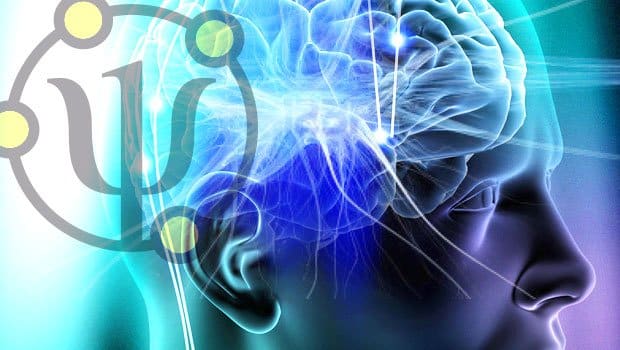

 Alcuni anni fa il Premo Nobel Eric Kandel affermava che anche la psicoterapia è in grado di provocare modificazioni biologiche in alcune aree del cervello così come avviene per i farmaci. Le importanti scoperte ottenute grazie alle moderne tecniche di neuroimaging, come ad esempio la risonanza magnetica funzionale (fMRI), forniscono oggi le evidenze empiriche di tali processi: la modificazione dell’espressione genica è il risultato della modificazione di aree cerebrali specifiche coinvolte nell’attività legata alle emozioni che vanno dall’ansia alla paura.Prendiamo il caso di un uomo che ha paura di un animale, per esempio un serpente. L’osservazione della risonanza magnetica funzionale mostrerebbe l’attivazione della Corteccia Prefrontale Laterale destra, area questa stimolata dalla paura. In tempi successivi si assiste ad una reazione normale, la stessa persona mostra un’attività corticale del tutto simile a quella di chi non prova paura.Cosa è avvenuto nel frattempo? Le recenti scoperte parlano di modificazioni cerebrali del tutto simili a quelle ottenute con i farmaci utilizzando tuttavia soltanto la psicoterapia. Al 20° congresso mondiale di medicina psicosomatica, tenutosi a Torino dal 23 al 26 settembre, sono stati presentati i risultati di ricerche “rivoluzionarie” per quanto concerne la terapia della psiche. Non solo viene dimostrata la possibilità che la psicoterapia sia in grado di produrre modificazioni strutturali e funzionali nel cervello, ma viene messa in evidenza anche l’attività di regolazione delle risposte agli agenti stressori coinvolti nelle diverse malattie. Il congresso è stato ospitato dal centro universitario per i Disturbi del Comportamento Alimentare dell’ospedale Molinette di Torino diretto da Secondo Fassino, il quale afferma che sia i farmaci che le psicoterapie agiscono entrambi sui circuiti neurobiologici coinvolti nelle reazioni alla paura.A partire dal 2002 e successivamente nel 2007, gli studi di Til Wykes e collaboratori su pazienti schizofrenici, hanno reso disponibili i risultati di confronti effettuati con la risonanza magnetica sugli effetti positivi ottenuti dai farmaci anti-psicotici e da un modello di psicoterapia chiamato CRT (Cognitive Remediation Therapy). La necessità di integrare il modello psicosomatico – che sottolinea l’importanza dei processi psichici nelle malattie somatiche – all’interno di un trattamento psichiatrico, è una pratica che si rende necessaria in diversi contesti terapeutici, diventando quindi strumento essenziale anche in malattie cardiovascolari, nell’obesità, nel diabete e anche in campo oncologico. Fassino sostiene quindi un “approccio olistico” alla malattia, considerando non solo il singolo disturbo lamentato dalla persona, ma anche la ricerca della causa nel mondo interno del soggetto. Le ricerche dell’Università di Montreal sottolineano che lo stress può assumere i connotati di un vero e proprio disturbo mentale, aggiunge Fassino, contribuendo in tal modo all’aggravamento della malattia organica. Altri studi effettuati con la tecnica del neuroimaging hanno mostrato una condizione di normalizzazione dell’attività cerebrale in pazienti depressi dopo un trattamento psicoterapico della durata di qualche mese, paragonando tale effetto a quello ottenibile con farmaci antidepressivi.Una proposta di spiegazione dei risultati di queste scoperte proviene da Claude R. Cloninger, della Washington University di Saint Louis USA, con una teoria psicobiologica del temperamento e del carattere. Nel sottolineare che l’analisi fattoriale è un metodo inadeguato per valutare la natura non-lineare e dinamica dei processi intrapsichici che influenzano la personalità umana, Cloninger afferma che la porzione stabile della personalità è costituita dal temperamento, legato a fattori genetici, mentre il carattere rappresenta la porzione suscettibile di cambiamenti legati alle circostanze. La modulazione personalizzata delle terapie è quindi possibile sia che si tratti di operazioni chirurgiche che di presidi farmacologici a condizione che il paziente venga studiato prima e dopo la cura.
Tuttavia i meccanismi alla base dei processi psicologici che trasformano l’angoscia in sintomi somatici non sono ancora del tutto chiariti, ma gli studi di Georg Northoff dell’Universtà di Magdeburgo in Germania muovono alcuni passi in avanti nell’assegnare un ruolo chiave all’inibizione o l’attivazione di specifici circuiti cerebrali. È quindi possibile affermare che alcuni specifici meccanismi funzionali di integrazione neuronale tra diverse regioni cerebrali rappresentino il substrato fisiologico dei meccanismi di difesa, come suggerito dalla cosiddetta “ipotesi neuropsicoanalitica”.
Riferimenti:
– Kandel ER. Biology and the future of psychoanalysis: a new intellectual framework for psychiatry revisited. American Journal of Psychiatry, 1999 Apr; 156(4):505-24.
– Wykes T, Brammer M, Mellers J, Bray P, Reeder C, Williams C, Corner J. Effects on the brain of a psychological treatment: cognitive remediation therapy: functional magnetic resonance imaging in schizophrenia. Br J Psychiatry. 2002 Aug;181:144-52.
– Wykes T, Reeder C, Williams C, Corner J, Rice C, Everitt B. Are the effects of cognitive remediation therapy (CRT) durable? Results from an exploratory trial in schizophrenia. Schizophr Res. 2003 Jun 1;61(2-3):163-74.
– Wykes T, Newton E, Landau S, Rice C, Thompson N, Frangou S. Cognitive remediation therapy (CRT) for young early onset patients with schizophrenia: an exploratory randomized controlled trial. Schizophr Res. 2007 Aug;94(1-3):221-30.
– Dedovic K, D’Aguiar C, Pruessner JC. What stress does to your brain: a review of neuroimaging studies. Can J Psychiatry. 2009 Jan;54(1):6-15.
– Dedovic K, Rexroth M, Wolff E, Duchesne A, Scherling C, Beaudry T, Lue SD, Lord C, Engert V, Pruessner JC. Neural correlates of processing stressful information: an event-related fMRI study. Brain Res. 2009 Oct 13;1293:49-60.
– Cloninger CR. The psychobiological theory of temperament and character: comment on Farmer and Goldberg (2008). Psychol Assess. 2008 Sep;20(3):292-9.
– Northoff G, Bermpohl F, Schoeneich F, Boeker H. How does our brain constitute defense mechanisms? First-person neuroscience and psychoanalysis. Psychother Psychosom. 2007;76(3):141-53.
© Alessandro Mura

Il Dottor Alessandro Mura è nato a Cagliari il 22.02.1963. Psicologo, psicoterapeuta, psicoanalista, iscritto all’Ordine degli Psicologi del Lazio (n. 16544). È membro titolare della Società Internazionale di Micropsicoanalisi (S.I.M.) e dell’Istituto Svizzero di Micropsicoanalisi (I.S.M.). Ha proseguito la sua formazione presso la Società Italiana di Psicoanalisi della Relazione (SIPRe – Istituto di Roma). Oltre all’attività professionale privata come psicologo-psicoterapeuta, ha svolto attività clinica come psicologo volontario nei servizi pubblici territoriali (consultori, reparti ospedalieri di psichiatria, neuropsichiatria infantile). Nel campo delle organizzazioni no-profit è stato fondatore e coordinatore di associazioni che si occupano di disturbi alimentari. Svolge attività di relatore in particolar modo nella valutazione clinica, nella diagnosi e nella formazione all’interno dei programmi di educazione continua in ambito sanitario. Si occupa di patologie dell’età adulta e del giovane adulto (ansia, depressione, disturbi stress correlati, disturbi psicosomatici, disturbi di personalità) e anche della terza età (psicoterapia e sostegno all’anziano con patologie psichiche). I suoi interessi extraprofessionali abbracciano il mondo dell’arte, in particolare la Psicologia della Musica. Parla e scrive fluentemente in inglese e possiede le basi del russo.
Doctor Alessandro Mura was born in Cagliari on February 22, 1963. Psychologist, psychotherapist, psychoanalyst, member of the Order of Psychologists of Lazio (n. 16544). He is a full member of the International Society of Micropsychoanalysis (SIM) and the Swiss Institute of Micropsychoanalysis (ISM). He continued his training at the Italian Society of Relationship Psychoanalysis (SIPRe – Institute of Rome). In addition to his private professional activity as a psychologist-psychotherapist, he carried out clinical activities as a volunteer psychologist in local public services (consultants, hospital psychiatric departments, child neuropsychiatry). In the field of non-profit organizations he was the founder and coordinator of associations that deal with eating disorders. He works as a speaker, particularly in clinical assessment, diagnosis, and training within continuing education programs in the healthcare field. It deals with pathologies of adulthood and young adults (anxiety, depression, related stress disorders, psychosomatic disorders, personality disorders) and also of old age (psychotherapy and support for the elderly with mental pathologies). His extra-professional interests span the art world, particularly Music Psychology. He speaks and writes fluently in English and has the basics of Russian.
Доктор Алессандро Мура родился в Кальяри 22 февраля 1963 года. Он психолог, психотерапевт и психоаналитик, зарегистрированный в Ордене психологов Лацио (№ 16544). Он является действительным членом Международного общества микропсихоанализа (S.I.M.) и Швейцарского института микропсихоанализа (I.S.M.). Он продолжил обучение в Итальянском обществе реляционного психоанализа (SIPRe – Римский институт). Помимо частной практики в качестве психолога-психотерапевта, он работал психологом-волонтером в местных государственных службах (консультационные центры, психиатрические отделения больниц и детская нейропсихиатрия). В некоммерческом секторе он основал и координировал ассоциации, занимающиеся расстройствами пищевого поведения. Он выступает с лекциями, в частности, по клинической оценке, диагностике и обучению в рамках программ повышения квалификации медицинских работников. Он специализируется на расстройствах у взрослых и молодых людей (тревожность, депрессия, стрессовые расстройства, психосоматические расстройства, расстройства личности), а также у пожилых людей (психотерапия и поддержка пожилых людей с проблемами психического здоровья). В свободное от работы время он интересуется миром искусства, в частности психологией музыки. Он свободно говорит и пишет по-английски, а также владеет базовыми навыками русского языка.
ALESSANDRO MURA
Psicologo, psicoterapeuta, psicoanalista
Studio: Via del Carbonaro, 34 – 03100 Frosinone (FR) Italia
cell. +393924133554
e-mail: [email protected]
p.e.c. [email protected]
https://www.psicoanalisi.it/author/alessandro/
https://www.facebook.com/Dr.AlessandroMura
www.linkedin.com/in/alessandro-mura-psy